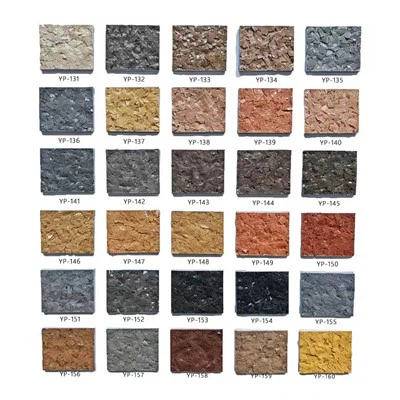
Granite stone chips are a popular choice for various landscaping and construction projects due to their durability, aesthetic appeal, and versatility. As a supplier of high-quality granite stone chips, I often receive questions from customers about whether these chips need to be sealed. In this blog post, I will explore the factors to consider when deciding whether to seal granite stone chips and provide insights to help you make an informed decision.
Understanding Granite Stone Chips
Granite is an igneous rock composed mainly of quartz, feldspar, and mica. It is known for its hardness, resistance to wear and tear, and natural beauty. Granite stone chips are created by crushing granite rocks into small pieces, which can vary in size, shape, and color. These chips are commonly used for pathways, driveways, garden beds, and decorative purposes.
Benefits of Sealing Granite Stone Chips
Sealing granite stone chips can offer several benefits, depending on the specific application and environment. Here are some of the key advantages:
1. Protection Against Stains
Granite is a porous material, which means it can absorb liquids and stains over time. Sealing the stone chips creates a protective barrier that prevents spills, oil, and other contaminants from penetrating the surface. This is particularly important in areas where there is a high risk of staining, such as driveways and walkways.
2. Enhanced Durability
Sealing can help to increase the durability of granite stone chips by protecting them from weathering, erosion, and abrasion. The sealant acts as a shield, reducing the impact of harsh environmental conditions and extending the lifespan of the chips.
3. Improved Aesthetics
A sealed surface can enhance the natural beauty of granite stone chips by bringing out their colors and textures. The sealant can also give the chips a glossy or matte finish, depending on your preference, adding a touch of elegance to your landscape.
4. Easier Maintenance
Sealed granite stone chips are easier to clean and maintain compared to unsealed ones. The protective layer makes it easier to remove dirt, debris, and stains, reducing the time and effort required for upkeep.
Factors to Consider
While sealing granite stone chips offers many benefits, it may not be necessary or suitable for every situation. Here are some factors to consider when deciding whether to seal:
1. Location and Use
The location and intended use of the granite stone chips play a significant role in determining whether sealing is necessary. For example, if the chips are used in a high-traffic area or exposed to harsh weather conditions, sealing may be recommended to protect them from damage. On the other hand, if the chips are used in a low-traffic area or indoors, sealing may not be as crucial.
2. Porosity of the Granite
The porosity of the granite can also affect the need for sealing. Some types of granite are more porous than others, which means they are more likely to absorb liquids and stains. If you have a highly porous granite, sealing can help to prevent staining and damage.
3. Personal Preference
Ultimately, the decision to seal granite stone chips comes down to personal preference. Some people prefer the natural look of unsealed granite, while others appreciate the added protection and aesthetic benefits of a sealed surface. Consider your own preferences and the overall look you want to achieve in your landscape.
Types of Sealants
There are several types of sealants available for granite stone chips, each with its own advantages and disadvantages. Here are some of the most common types:


1. Penetrating Sealants
Penetrating sealants are absorbed into the pores of the granite, creating a protective barrier from within. They are typically invisible on the surface and do not change the appearance of the stone. Penetrating sealants are a popular choice for outdoor applications because they provide long-lasting protection against stains and moisture.
2. Topical Sealants
Topical sealants form a protective layer on the surface of the granite, providing a glossy or matte finish. They are easier to apply and can enhance the appearance of the stone, but they may not be as durable as penetrating sealants. Topical sealants are often used for indoor applications or areas where a more decorative finish is desired.
3. Hybrid Sealants
Hybrid sealants combine the benefits of penetrating and topical sealants. They penetrate the pores of the granite while also forming a protective layer on the surface. Hybrid sealants offer excellent protection against stains and moisture, as well as a beautiful finish.
Application Process
If you decide to seal your granite stone chips, it is important to follow the proper application process to ensure the best results. Here are the general steps:
1. Clean the Surface
Before applying the sealant, make sure the granite stone chips are clean and dry. Remove any dirt, debris, or stains using a mild detergent and water. Rinse the surface thoroughly and allow it to dry completely.
2. Test the Sealant
It is a good idea to test the sealant on a small, inconspicuous area of the granite stone chips before applying it to the entire surface. This will help you determine if the sealant is compatible with the stone and if you are satisfied with the results.
3. Apply the Sealant
Follow the manufacturer's instructions for applying the sealant. Use a brush, roller, or sprayer to apply an even coat of sealant to the surface of the granite stone chips. Make sure to cover all areas, including the edges and corners.
4. Allow the Sealant to Dry
After applying the sealant, allow it to dry completely according to the manufacturer's instructions. This may take several hours or even days, depending on the type of sealant and the environmental conditions.
5. Apply a Second Coat (Optional)
For added protection, you may choose to apply a second coat of sealant after the first coat has dried. This will help to ensure a more durable and long-lasting seal.
Our Granite Stone Chip Products
As a leading supplier of granite stone chips, we offer a wide range of products to meet your landscaping and construction needs. Our 3 8 Granite Chips are perfect for creating pathways, driveways, and garden beds. They are available in a variety of colors and sizes, allowing you to customize your landscape to your liking.
Our Green Granite Gravel 20mm is a popular choice for decorative purposes. It adds a touch of natural beauty to any landscape and is ideal for use in flower beds, rock gardens, and water features.
If you are looking for a finer option, our Fine Granite Chips are perfect for creating a smooth and even surface. They are commonly used for filling cracks, leveling surfaces, and adding a decorative touch to indoor and outdoor spaces.
Conclusion
In conclusion, whether or not to seal granite stone chips depends on several factors, including the location, use, porosity of the granite, and personal preference. Sealing can offer many benefits, such as protection against stains, enhanced durability, improved aesthetics, and easier maintenance. However, it may not be necessary or suitable for every situation.
If you are unsure whether to seal your granite stone chips, I recommend consulting with a professional or contacting us for more information. We are happy to help you choose the right product and provide guidance on the application process.
If you are interested in purchasing our granite stone chips or have any questions, please feel free to contact us. We look forward to working with you to create the perfect landscape for your home or business.
References
- "Granite Sealing: A Guide for Homeowners." The Spruce.
- "How to Seal Granite Countertops." Bob Vila.
- "Sealing Granite: What You Need to Know." Marble.com.