Hey there! As a supplier of Granite Stone Chips, I often get asked about the hardness of these little rock pieces. So, I thought I'd take a moment to break it down for you in this blog post.
First off, let's talk about what granite is. Granite is an igneous rock, which means it forms from the cooling and solidification of magma or lava. It's made up of several minerals, including quartz, feldspar, and mica. These minerals give granite its unique appearance and properties, including its hardness.
The hardness of a material is typically measured using the Mohs scale of mineral hardness. This scale ranges from 1 (the softest) to 10 (the hardest). On this scale, granite generally falls between 6 and 7. To put that in perspective, talc, which is one of the softest minerals, has a Mohs hardness of 1, while diamond, the hardest known natural material, has a Mohs hardness of 10.


So, what does this hardness mean for granite stone chips? Well, it means they're pretty tough. They can withstand a fair amount of wear and tear, making them great for a variety of applications. For example, they're commonly used in landscaping. You can use 3 8 Granite Chips to create walkways, driveways, or garden beds. Their hardness ensures that they won't break down easily under the weight of foot traffic or vehicles.
In construction, Granite Chip Rock is also a popular choice. It can be used as a base material for roads, buildings, and other structures. The hardness of the granite chips helps to provide a stable foundation that can support heavy loads.
Another advantage of the hardness of granite stone chips is their resistance to scratches and abrasions. This makes them ideal for use in high-traffic areas. For instance, if you're using them in a commercial space, like a shopping mall or a restaurant, they'll maintain their appearance over time, even with a lot of people walking on them.
But it's not just about physical strength. The hardness of granite also gives it chemical resistance. It's not easily affected by acids or other chemicals, which means it can be used in environments where there might be exposure to these substances. This makes Granite Stone Chips a great choice for industrial applications as well.
Now, you might be wondering how the hardness of granite stone chips compares to other types of rocks or materials. Well, compared to some softer rocks, like limestone or sandstone, granite is much harder. Limestone has a Mohs hardness of around 3 to 4, while sandstone can range from 6 to 7, but granite is generally more consistent in its hardness.
When it comes to man-made materials, granite still holds its own. For example, concrete, which is commonly used in construction, has a lower hardness than granite. While concrete can be strong, it's more prone to cracking and chipping over time, especially in harsh conditions.
So, if you're in the market for a durable and long-lasting material, granite stone chips are a great option. Whether you're a landscaper looking to create a beautiful outdoor space or a contractor working on a construction project, the hardness of these chips will serve you well.
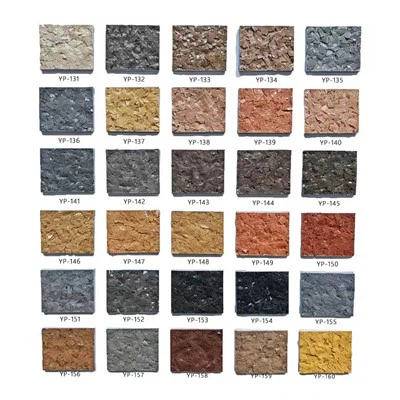
At our company, we take pride in providing high-quality granite stone chips. We source our granite from reliable quarries and ensure that each batch meets our strict quality standards. Our chips come in a variety of sizes and colors, so you can find the perfect fit for your project.
If you're interested in learning more about our granite stone chips or have any questions about their hardness or applications, don't hesitate to reach out. We're here to help you make the best choice for your needs. Whether you're planning a small home project or a large commercial development, we can provide the right granite stone chips for you.
In conclusion, the hardness of granite stone chips is one of their most valuable properties. It makes them suitable for a wide range of applications, from landscaping to construction. Their resistance to wear, scratches, and chemicals ensures that they'll last for years to come. So, if you're looking for a tough and reliable material, consider using granite stone chips. Contact us today to discuss your project and see how we can help you.
References:
- Handbook of Mineralogy
- Geology textbooks on igneous rocks