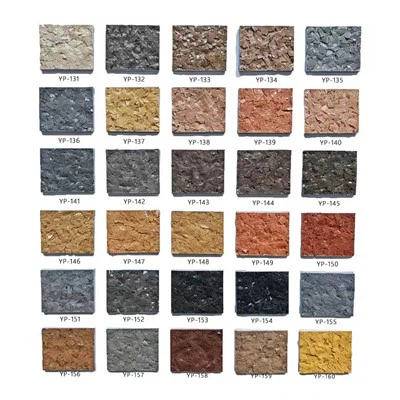
Hey there! As a supplier of epoxy floor flakes, I often get asked about the curing time for these products. It's a crucial question because it directly affects when you can start using your newly coated floor. So, let's dive right into it and figure out what the curing time for epoxy floor flakes is all about.
What Are Epoxy Floor Flakes?
Before we talk about curing time, let's quickly go over what epoxy floor flakes are. Epoxy floor flakes are small, colored chips that are mixed with epoxy resin and applied to a floor surface. They come in a variety of colors and sizes, allowing you to create a unique and decorative look for your floors. Whether you're looking to spruce up your garage, basement, or commercial space, epoxy floor flakes can add a touch of style and durability.
Factors Affecting Curing Time
The curing time for epoxy floor flakes can vary depending on several factors. Here are some of the key factors that can influence how long it takes for the epoxy to fully cure:


- Temperature: Temperature plays a significant role in the curing process. Generally, epoxy cures faster in warmer temperatures. If the temperature is too low, the curing process can slow down significantly, and in some cases, the epoxy may not cure properly at all. Most epoxy products recommend a temperature range of 50°F to 85°F (10°C to 29°C) for optimal curing.
- Humidity: Humidity can also affect the curing time of epoxy. High humidity levels can slow down the curing process and may even cause the epoxy to develop a cloudy or hazy appearance. It's best to apply epoxy floor flakes in a low-humidity environment to ensure proper curing.
- Epoxy Type: Different types of epoxy have different curing times. Some epoxy products are designed to cure quickly, while others may take longer. Make sure to read the manufacturer's instructions carefully to determine the specific curing time for the epoxy you're using.
- Thickness of the Coating: The thickness of the epoxy coating can also impact the curing time. A thicker coating will take longer to cure than a thinner one. It's important to apply the epoxy at the recommended thickness to ensure proper curing.
Typical Curing Times
Now that we've discussed the factors that can affect curing time, let's take a look at some typical curing times for epoxy floor flakes.
- Initial Set Time: The initial set time is the time it takes for the epoxy to become tack-free. This usually occurs within 2 to 6 hours after application, depending on the factors mentioned above. Once the epoxy is tack-free, you can walk on the floor carefully, but it's still not fully cured.
- Full Cure Time: The full cure time is the time it takes for the epoxy to reach its maximum strength and durability. This can take anywhere from 24 to 72 hours, or even longer in some cases. It's important to wait until the epoxy is fully cured before subjecting it to heavy traffic or other stresses.
Tips for Faster Curing
If you're in a hurry to get your floor back in use, there are a few things you can do to speed up the curing process:
- Use a Fast-Curing Epoxy: Some epoxy products are specifically designed to cure quickly. Look for a fast-curing epoxy if you need to get your floor back in use as soon as possible.
- Increase the Temperature: As mentioned earlier, warmer temperatures can speed up the curing process. You can use a space heater or other heating device to raise the temperature in the area where the epoxy is being applied. Just make sure to follow the manufacturer's instructions and keep the temperature within the recommended range.
- Reduce Humidity: If the humidity is high, you can use a dehumidifier to reduce the moisture in the air. This can help speed up the curing process and prevent the epoxy from developing a cloudy or hazy appearance.
Applications of Epoxy Floor Flakes
Epoxy floor flakes have a wide range of applications, thanks to their durability, aesthetics, and slip-resistant properties. Here are some common places where you can use epoxy floor flakes:
- Garages: Epoxy floor flakes are a popular choice for garages because they can withstand the heavy traffic and spills that are common in this area. They also provide a decorative look that can make your garage more inviting.
- Basements: Basements are often prone to moisture and flooding, but epoxy floor flakes can help protect the floor from damage. They also add a touch of style to an otherwise dull space.
- Commercial Spaces: Epoxy floor flakes are commonly used in commercial spaces such as warehouses, factories, and retail stores. They can withstand the heavy traffic and wear and tear that are common in these environments.
- Driveways: If you're looking to add some color and style to your driveway, epoxy floor flakes are a great option. They can also help protect the driveway from damage caused by vehicles and the elements. Check out Granite Chip Driveway for more information on using epoxy floor flakes for driveways.
Color and Design Options
One of the great things about epoxy floor flakes is the wide range of color and design options available. You can choose from a variety of colors, including Colorful Granite Chips, to create a unique and personalized look for your floors. You can also mix different colors and sizes of flakes to create a custom pattern or design.
Anti-Slip Properties
In addition to their aesthetic appeal, epoxy floor flakes also offer excellent anti-slip properties. This makes them a great choice for areas where safety is a concern, such as kitchens, bathrooms, and pool decks. Check out Anti-slip Granite Chips for more information on anti-slip epoxy floor flakes.
Contact Us for More Information
If you're interested in learning more about epoxy floor flakes or have any questions about the curing time or application process, don't hesitate to contact us. We're a leading supplier of epoxy floor flakes and can provide you with all the information you need to make an informed decision. Whether you're a homeowner, contractor, or business owner, we can help you find the right epoxy floor flakes for your project.
References
- Manufacturer's instructions for epoxy floor flakes
- Industry standards and guidelines for epoxy flooring applications