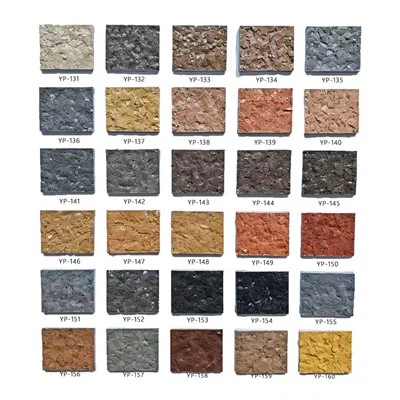
Hey there! As a supplier of Fine Granite Chips, I often get asked about where these awesome little chips come from. So, let's dive right into it and explore the source of Fine Granite Chips.
The Formation of Granite
Granite is an igneous rock, which means it's formed from the cooling and solidification of magma or lava. It's a coarse-grained rock made up of several minerals, mainly quartz, feldspar, and mica. The process of granite formation is a long and complex one that takes place deep within the Earth's crust.
Magma, which is a hot, molten mixture of rock-forming minerals, gases, and water, rises towards the surface. As it cools slowly beneath the Earth's surface, the minerals in the magma start to crystallize. This slow cooling process allows the crystals to grow large, giving granite its characteristic coarse-grained texture.
The specific composition of granite can vary depending on the location where it's formed. Different regions have different geological conditions, which can affect the types and proportions of minerals present in the granite. For example, some granite may have a higher percentage of quartz, while others may have more feldspar or mica.
Mining Granite
Once the granite has formed, it needs to be mined. Mining granite is a labor-intensive process that involves several steps. First, geologists identify potential granite deposits by studying the geology of an area. They look for signs of granite, such as outcrops or changes in the rock structure.
Once a suitable deposit is found, the mining process begins. The first step is to remove the overburden, which is the layer of soil and rock that covers the granite deposit. This is usually done using heavy equipment, such as bulldozers and excavators.
After the overburden is removed, the granite is extracted from the ground. There are several methods of granite extraction, including quarrying and blasting. Quarrying involves using large machines to cut and remove blocks of granite from the deposit. Blasting, on the other hand, involves using explosives to break up the granite into smaller pieces.
Once the granite is extracted, it's transported to a processing plant. At the processing plant, the granite is crushed and screened to produce Fine Granite Chips of different sizes. The chips are then sorted and graded based on their size, shape, and color.
Types of Granite Chips
There are several types of granite chips available, each with its own unique characteristics. Some of the most common types of granite chips include:
- Granite Chip Rock: These chips are made from natural granite and are available in a variety of colors, including white, gray, black, and pink. They're often used for landscaping, as they add a natural and decorative touch to gardens, walkways, and driveways. Granite Chip Rock
- Black Granite Chips: These chips are made from black granite and are known for their dark, rich color. They're often used for commercial landscaping projects, as they provide a bold and dramatic look. Black Granite Chips
- 3/8 Granite Chips: These chips are 3/8 of an inch in size and are commonly used for drainage and erosion control. They're also used in concrete and asphalt mixtures to improve their strength and durability. 3/8 Granite Chips
Benefits of Using Fine Granite Chips
There are several benefits to using Fine Granite Chips in your landscaping or construction projects. Some of the key benefits include:
- Durability: Granite is a very hard and durable rock, which means that Fine Granite Chips can withstand heavy traffic and harsh weather conditions. They're also resistant to erosion and decay, making them a long-lasting choice for your projects.
- Aesthetics: Fine Granite Chips come in a variety of colors and sizes, which means that you can choose the ones that best suit your project's design and style. They can add a natural and decorative touch to your gardens, walkways, and driveways, enhancing the overall look of your property.
- Low Maintenance: Once installed, Fine Granite Chips require very little maintenance. They don't need to be watered, fertilized, or mowed, which saves you time and money in the long run.
- Versatility: Fine Granite Chips can be used in a variety of applications, including landscaping, construction, and drainage. They're also suitable for both residential and commercial projects.
Contact Us for Your Granite Chip Needs
If you're interested in purchasing Fine Granite Chips for your next project, please don't hesitate to contact us. We're a leading supplier of Fine Granite Chips and can provide you with high-quality products at competitive prices. Whether you need a small amount for a DIY project or a large quantity for a commercial project, we can help.
We offer a wide range of granite chips in different sizes, colors, and grades to meet your specific needs. Our team of experts can also provide you with advice and guidance on the best type of granite chips for your project.
So, if you're looking for a reliable and affordable supplier of Fine Granite Chips, look no further. Contact us today to discuss your requirements and get a free quote.


References
- "Granite: Igneous Rock - Pictures, Definition & More." Geology.com. Accessed [Date].
- "How Granite is Formed." ThoughtCo. Accessed [Date].
- "Mining Granite." Granite Construction. Accessed [Date].